
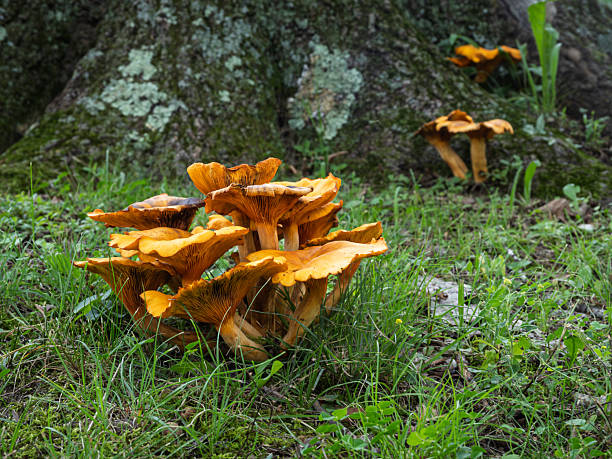
Understanding Mushrooms on Trees Fast
Mushrooms growing around trees is a common sight in many gardens and landscapes, and understanding it is important for proper tree care. In this guide inspired by RTEC Treecare, we’ll explain what these mushrooms mean, why they appear, and whether they signal danger to your trees. The presence of fungi often confuses property owners, but it can reveal important information about soil and tree health.
When you notice mushrooms near the base or roots of a tree, it is usually a sign of fungal activity in the soil. While not all fungi are harmful, some can indicate decay inside the tree. Proper identification and care are essential for maintaining healthy trees.
Why Mushrooms Grow Around Trees
Mushrooms are the visible fruiting bodies of fungi living in the soil or within wood. These fungi break down organic matter such as dead roots, leaves, or decaying wood.
Common reasons mushrooms appear include:
- Excess moisture in soil
- Poor drainage conditions
- Decaying roots or buried wood
- Natural decomposition processes
- Organic mulch breaking down
Fungi play an important role in ecosystems by recycling nutrients. However, when they grow near living trees, they may sometimes indicate internal rot or stress.
Are Mushrooms Harmful to Trees?
Not all mushrooms are dangerous. Some are harmless saprophytes, feeding only on dead organic matter. Others, however, can be parasitic and attack living wood.
Harmless Fungi
These mushrooms grow on dead material and do not harm healthy trees. They often appear after rain and disappear quickly.
Harmful Fungi
Certain fungi can infect tree roots and trunks, leading to decay and structural weakness. This can make trees unstable over time.
Signs of harmful fungal activity include:
- Soft or hollow trunk areas
- Cracks in bark
- Dead branches in the canopy
- Sudden leaning of the tree
- Repeated mushroom growth at the base
Common Types of Tree-Associated Mushrooms
Several fungi are commonly seen around trees:
1. Bracket Fungi
These grow on trunks and branches and often indicate internal decay.
2. Honey Fungus
A destructive fungus that attacks roots and spreads underground.
3. Oyster Mushrooms
Often grow on dead or dying wood but can sometimes appear on stressed trees.
4. Puffballs
Usually harmless and grow in soil rich in organic matter.
Understanding the type of fungus is essential before taking action.
What Mushroom Growth Indicates About Tree Health
Mushrooms often signal that organic matter is breaking down. In trees, this may mean:
- Root decay beneath the soil
- Old wounds in the trunk or roots
- Overwatering or poor drainage
- Compacted soil reducing oxygen flow
Healthy trees can sometimes coexist with fungi, but persistent growth should not be ignored.
How to Prevent Unwanted Mushroom Growth
While fungi are natural, excessive growth can be controlled with proper tree care practices:
Improve Drainage
Ensure water does not pool around the tree base.
Avoid Overwatering
Too much moisture encourages fungal development.
Remove Decaying Wood
Dead roots and branches should be cleared carefully.
Mulch Properly
Use a thin layer of mulch and avoid piling it against the trunk.
Regular Inspections
Check trees periodically for signs of decay or fungal activity.
When to Call a Tree Care Expert
If mushrooms continue to grow or you notice signs of decay, it’s important to consult professionals. Tree experts can:
- Inspect root and trunk health
- Identify harmful fungal species
- Assess structural stability
- Recommend treatment or removal if necessary
Early diagnosis can prevent tree loss and property damage.
The Role of Fungi in the Ecosystem
Despite concerns, fungi are essential for natural ecosystems. They help break down organic matter and recycle nutrients back into the soil. Many trees even form beneficial relationships with fungi, improving nutrient absorption.
The key is balance—while some fungi support tree health, others can signal deeper problems.
Conclusion
Mushrooms around trees are not always a cause for alarm, but they should never be ignored. They can indicate anything from harmless decomposition to serious internal decay. Proper observation and timely action are essential for maintaining tree safety and health. For professional assessment and care, trusted experts like rtectreecare can help ensure your trees remain strong, safe, and healthy for years to come.

