
How to Maintain Birch Trees Michigan Properly
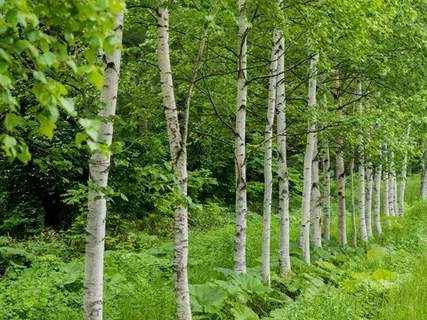
Birch trees are among the most admired landscape trees in the state, offering beauty, shade, and year-round visual appeal. For many property owners, birch trees Michigan landscapes feature are a valuable addition that enhances curb appeal and creates a natural connection with the region’s environment. Known for their distinctive bark, graceful branches, and vibrant seasonal colors, birch trees can become a focal point in residential yards when properly cared for.
Whether you are planning to plant a new tree or maintain an existing one, understanding the unique characteristics and needs of birch trees is essential. This guide explores the benefits, varieties, care requirements, and maintenance practices that help birch trees thrive in Michigan.
Why Birch Trees Are Popular in Michigan
Michigan’s climate provides favorable conditions for several birch tree species. Their adaptability, elegant appearance, and moderate growth rate make them a preferred choice for homeowners seeking both beauty and functionality.
Birch trees are known for:
- Attractive white, silver, or yellow bark
- Delicate foliage that provides filtered shade
- Strong seasonal interest throughout the year
- Compatibility with many landscape designs
- Ability to support local wildlife
Their unique bark often becomes more striking as the tree matures, creating visual interest even during winter months when leaves have fallen.
Common Birch Tree Varieties
Several birch species can be found throughout Michigan landscapes. Each variety offers unique characteristics that appeal to different homeowners and property styles.
River Birch
River birch is one of the most resilient varieties available. It features peeling bark in shades of cinnamon, cream, and brown, making it highly decorative. This species is known for better resistance to certain pests and environmental stressors.
Paper Birch
Paper birch is famous for its bright white bark and classic appearance. It is often associated with northern forests and remains a favorite for homeowners seeking a traditional landscape look.
Yellow Birch
Yellow birch has attractive golden bark and can grow into a large shade tree. It performs well in cooler regions and contributes significant visual appeal to larger properties.
Gray Birch
Gray birch is a smaller species that works well in compact yards and naturalized landscapes. It is valued for its adaptability and attractive structure.
Benefits of Planting Birch Trees
Adding birch trees to a landscape offers numerous advantages beyond aesthetics.
Improved Property Appearance
The distinctive bark and graceful form of birch trees create an elegant landscape feature. They complement a variety of architectural styles and garden designs.
Seasonal Beauty
Birch trees provide changing visual interest throughout the year. Fresh green leaves emerge in spring, vibrant foliage appears in autumn, and decorative bark enhances winter landscapes.
Shade and Comfort
As birch trees mature, they provide cooling shade that can make outdoor spaces more enjoyable during warmer months.
Wildlife Support
Many birds and beneficial insects utilize birch trees for shelter and food. This contributes to a healthier and more balanced ecosystem around the property.
Increased Property Value
Well-maintained trees can enhance curb appeal and contribute positively to overall property value.
Best Planting Practices
Successful growth begins with proper planting techniques.
Select the Right Location
Birch trees generally prefer locations with:
- Well-drained soil
- Adequate sunlight
- Protection from excessive heat
- Space for future growth
Choosing the right location helps reduce stress and supports long-term health.
Prepare the Soil
Healthy soil promotes strong root development. Adding organic matter before planting can improve soil structure and moisture retention.
Water Consistently
Young birch trees require regular watering, especially during dry periods. Consistent moisture helps roots establish and supports healthy growth.
Apply Mulch
A layer of mulch around the base helps retain moisture, regulate soil temperature, and reduce weed competition. Avoid placing mulch directly against the trunk.
Common Challenges for Birch Trees
Like many landscape trees, birch trees may encounter environmental and biological challenges.
Heat Stress
Birch trees generally perform best in cooler conditions. Extended periods of heat and drought can weaken trees and make them more vulnerable to problems.
Insect Activity
Certain insects can affect tree health if left unmanaged. Regular inspections help identify issues before they become severe.
Disease Concerns
Fungal infections and other diseases may impact foliage, branches, or bark. Proper maintenance and early detection are important for prevention.
Soil Compaction
Heavy foot traffic or construction activities near root zones can reduce soil quality and restrict root growth.
Essential Maintenance Tips
Routine care helps birch trees remain healthy and attractive.
Regular Inspections
Monitor trees throughout the year for signs of damage, stress, or unusual growth patterns.
Proper Pruning
Pruning removes dead, damaged, or overcrowded branches. It also improves airflow and overall tree structure.
Water During Dry Periods
Even mature trees benefit from supplemental watering during extended drought conditions.
Fertilize When Necessary
A professional assessment can determine whether nutrient deficiencies exist and whether fertilization would be beneficial.
Monitor Tree Health
Watching for changes in leaf color, bark condition, or branch growth allows homeowners to address concerns quickly.
When Professional Tree Care Is Needed
Some tree care tasks require specialized knowledge and equipment. Professional arborists can assist with:
- Tree health assessments
- Disease diagnosis
- Pest management
- Structural pruning
- Risk evaluations
- Tree preservation strategies
Expert guidance helps ensure that trees remain healthy while minimizing safety risks.
Conclusion
Birch trees bring elegance, shade, and year-round beauty to residential landscapes. Their distinctive bark, attractive foliage, and adaptability make them a popular choice for homeowners throughout Michigan. By selecting appropriate planting locations, maintaining proper watering practices, and addressing potential issues early, property owners can enjoy healthy and vibrant birch trees for many years.
For expert guidance on maintaining birch trees Michigan homeowners value, trust Long Tree to provide professional tree care services and solutions that support the long-term health and beauty of your landscape.

